
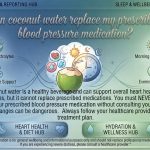
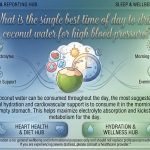


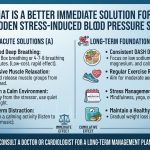


When your blood pressure suddenly spikes, finding a natural, fast-acting solution is a top priority. Among the many home remedies discussed online, coconut water is frequently praised as a natural cure for hypertension.
Rich in essential minerals like potassium and magnesium, this refreshing beverage is a cornerstone of modern hydration culture. But can drinking coconut water actually lower a sudden blood pressure spike, or is it merely a health myth?
This comprehensive guide explores the cardiovascular science behind coconut water, how its nutrient profile impacts blood pressure, what happens during an acute hypertensive episode, and how you should manage your cardiovascular health safely.
1. Understanding Acute Blood Pressure Spikes
Before evaluating the therapeutic potential of coconut water, it is crucial to understand what constitutes a sudden blood pressure spike and how the body regulates arterial pressure.
What Is a Blood Pressure Spike?
A blood pressure spike occurs when arterial pressure rises significantly above an individual’s normal baseline over a short period. Blood pressure is recorded using two numbers:
- Systolic Pressure (Top Number): Measures the force exerted against artery walls when the heart beats.
- Diastolic Pressure (Bottom Number): Measures the pressure in the arteries when the heart rests between beats.
A sudden surge can be triggered by acute physical, emotional, or environmental stressors.
       ┌─────────────────────────────────────────────────────────────┐
       │                   ACUTE TRIGGER                             │
       │     (Stress, High Sodium, Dehydration, Pain)                │
       └──────────────────────────────┬──────────────────────────────┘
                                      │
                                      ▼
       ┌─────────────────────────────────────────────────────────────┐
       │             SYMPATHETIC NERVOUS SYSTEM ACTIVATION           │
       │       (Adrenaline release, Vasoconstriction, Elevated HR)   │
       └──────────────────────────────┬──────────────────────────────┘
                                      │
                                      ▼
       ┌─────────────────────────────────────────────────────────────┐
       │                SUDDEN BLOOD PRESSURE SPIKE                  │
       └──────────────────────────────┬──────────────────────────────┘
                                      │
                ┌─────────────────────┴─────────────────────┐
                ▼                                           ▼
  Transient / Mild Spike                      Hypertensive Emergency
  (Manageable via rest/hydration)             (Requires Immediate ER Care)
Common Triggers for Sudden Blood Pressure Surges
- Acute Emotional Stress or Anxiety: Triggers a surge of adrenaline and cortisol, causing blood vessels to constrict and heart rate to accelerate.
- High Sodium Intake: Consuming a meal rich in sodium causes fluid retention, increasing blood volume and pressure on arterial walls.
- Dehydration: When body water levels drop, the hormone vasopressin is secreted, causing blood vessels to constrict and raising blood pressure.
- Caffeine or Nicotine Stimulants: Rapidly stimulate the nervous system, leading to temporary arterial stiffness.
- Missed Antihypertensive Medication: Stopping prescribed blood pressure medication abruptly can lead to a dangerous “rebound” spike.
- Severe Pain or Sleep Apnea: Disruption in autonomic nervous regulation leads to sharp blood pressure spikes.
The Physiology: How the Body Regulates Blood Pressure
Your body regulates blood pressure through a complex interaction between the heart, blood vessels, kidneys, and nervous system:
- The Renin-Angiotensin-Aldosterone System (RAAS): A hormonal cascade governed by the kidneys that controls fluid balance and vascular resistance.
- Endothelial Function: The inner lining of blood vessels produces nitric oxide, a compound that signals vascular smooth muscle to relax (vasodilation).
- Electrolyte Balance: The ratio of sodium to potassium inside and outside vascular cells dictates cellular fluid volume and arterial tension.
2. The Nutritional Profile of Coconut Water
Unsweetened, natural coconut water (the clear liquid extracted from young green coconuts) is packed with essential electrolytes.
Key Nutrients in Fresh Coconut Water (per 100g / approx. 3.5 oz)
| Nutrient | Amount per 100g | Daily Value (% DV) | Primary Cardiovascular Role |
| Calories | 19 kcal | N/A | Low-energy hydration source |
| Potassium | 250 mg | ~6% | Promotes sodium excretion & vasodilation |
| Sodium | 105 mg | ~4% | Maintains fluid equilibrium |
| Magnesium | 25 mg | ~6% | Relaxes smooth muscle in blood vessels |
| Calcium | 24 mg | ~2% | Supports myocardial contraction mechanics |
| Vitamin C | 2.4 mg | ~3% | Provides antioxidant support for endothelium |
| L-Arginine | Trace | N/A | Serves as a precursor to nitric oxide |
Key Takeaway: A standard 11 oz (330 ml) container of pure coconut water provides approximately 600–700 mg of potassium. This represents nearly 15% of the recommended daily intake for adults, making it an exceptional dietary source of potassium.
3. The Science: Can Coconut Water Lower Blood Pressure?
To determine whether coconut water can manage a blood pressure spike, we must separate long-term physiological effects from acute emergency intervention.
1. The Potassium-Sodium Balance Mechanism
The primary mechanism behind coconut water’s antihypertensive properties is its high potassium content.
- Sodium Excretion (Natriuresis): High dietary potassium prompts the kidneys to excrete excess sodium through urine. As sodium leaves the body, excess water follows, reducing overall blood volume and easing pressure on arterial walls.
- Blunting Sympathetic Activity: Potassium relaxes blood vessel walls and reduces the vascular response to stress hormones like norepinephrine.
High Potassium Intake (Coconut Water) ➔ Increased Renal Sodium Excretion ➔ Reduced Blood Volume ➔ Decreased Arterial Pressure
2. The Role of Magnesium and Vasodilation
Magnesium acts as a natural calcium channel blocker. By preventing excess calcium from entering vascular smooth muscle cells, magnesium allows blood vessels to relax and dilate (expand), which reduces systemic vascular resistance.
3. Arginine and Nitric Oxide Pathways
Coconut water contains trace amounts of L-arginine, an amino acid required for the synthesis of nitric oxide (NO). Nitric oxide signals the vascular endothelium to relax, promoting smoother blood flow.
4. Immediate Relief vs. Long-Term Management
Can drinking a glass of coconut water lower your blood pressure in the middle of a sudden spike?
┌─────────────────────────────────────────────────────────────────────────┐
│                       CRITICAL MEDICAL DISTINCTION                       │
├─────────────────────────────────────────────────────────────────────────┤
│  ACUTE SPIKE (Immediate Minutes/Hours):                                 │
│  Coconut water IS NOT an emergency drug. It requires hours to digest   │
│  and filter through the kidneys. Do not rely on it during a crisis.     │
│                                                                         │
│  CHRONIC MANAGEMENT (Weeks/Months):                                     │
│  Regular intake SUPPORTS vascular health, promotes sodium excretion,     │
│  and aids in long-term blood pressure control.                          │
└─────────────────────────────────────────────────────────────────────────┘
The Clinical Reality of an Acute Spike
- Digestion Delay: When you drink coconut water, it must pass through your stomach, be absorbed by the small intestine, enter the bloodstream, and trigger renal filtration. This metabolic process takes 1 to 3 hours.
- Modest Acute Drop: Clinical studies show that dietary potassium intake causes a gradual, modest reduction in blood pressure over days and weeks—not a sudden, drastic drop within minutes.
- Dehydration-Induced Spikes: If a sudden surge in blood pressure is caused specifically by acute dehydration or heat exhaustion, drinking coconut water can help. Replenishing lost fluid and electrolytes restores blood volume balance, helping blood pressure normalize.
Long-Term Clinical Evidence
Research on coconut water and hypertension supports its role in ongoing dietary management:
- A landmark study published in the West Indian Medical Journal observed human subjects with hypertension who drank fresh coconut water daily for two weeks.
- Results: 71% of participants experienced a significant reduction in mean systolic blood pressure (averaging a drop of 24 mmHg), while 29% showed significant improvements in diastolic pressure.
- Conclusion: Coconut water is an effective dietary addition for long-term blood pressure control, but it is not a substitute for acute emergency medical care.
5. Potential Risks and Side Effects
While coconut water is generally safe for healthy individuals, consuming large quantities can pose serious health risks under certain medical conditions.
               ┌───────────────────────────────────────────────┐
               │           POTENTIAL CONTRAINDICATIONS         │
               └───────────────────────┬───────────────────────┘
                                       │
         ┌─────────────────────────────┼─────────────────────────────┐
         ▼                             ▼                             ▼
┌─────────────────┐           ┌─────────────────┐           ┌─────────────────┐
│  HYPERKALEMIA   │           │ IMPAIRED RENAL  │           │   MEDICATION    │
│  RISK (Excess   │           │ FUNCTION (Kidney│           │ INTERACTION (ACE│
│   Potassium)    │           │    Disease)     │           │ Inhibitors, ARBs│
└─────────────────┘           └─────────────────┘           └─────────────────┘
1. Risk of Hyperkalemia (Potassium Toxicity)
Consuming excessive amounts of coconut water in a short period can lead to hyperkalemia—an abnormally high concentration of potassium in the blood.
- Symptoms: Muscle weakness, numbness, tingling, bradycardia (slow heart rate), nausea, and in severe cases, fatal cardiac arrhythmias.
- Case Reports: Medical literature documents cases where individuals consumed several liters of coconut water in a single day, resulting in emergency room admissions for severe hyperkalemia-induced heart blockages.
2. Patients with Chronic Kidney Disease (CKD)
Healthy kidneys filter out excess dietary potassium. However, individuals with impaired renal function or CKD cannot excrete potassium efficiently. For these patients, drinking coconut water can trigger dangerous spikes in potassium levels.
3. Interactions with Blood Pressure Medications
If you are already taking antihypertensive drugs, combining them with large quantities of coconut water requires careful monitoring:
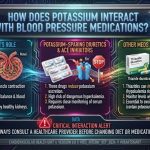
- ACE Inhibitors (e.g., Lisinopril) & ARBs (e.g., Losartan): These medications reduce potassium excretion by the kidneys. Combining them with potassium-rich coconut water increases the risk of hyperkalemia.
- Potassium-Sparing Diuretics (e.g., Spironolactone): Actively retain potassium in the body. Adding coconut water can lead to excessive accumulation.
- Risk of Hypotension: In some cases, combining natural hypotensive agents with high-dose prescription medications can cause blood pressure to drop too low (hypotension), causing dizziness, confusion, and fainting.
6. How to Use Coconut Water Safely for Blood Pressure
To enjoy the cardiovascular benefits of coconut water without health risks, follow these practical guidelines:
Daily Consumption Recommendations
- Optimal Dose: 8 oz to 11 oz (250 ml – 330 ml) daily is sufficient to support potassium intake without overloading the body.
- Select Pure Options: Choose 100% pure, unsweetened coconut water. Avoid brands with added sugars, artificial flavors, or added sodium, as excess sugar promotes systemic inflammation and weight gain, both of which worsen hypertension.
Step-by-Step Response to a Sudden Blood Pressure Spike
If you measure your blood pressure and notice an unexpected surge, follow these step-by-step instructions:
┌─────────────────────────────────────────────────────────────────────────┐
│           STEP-BY-STEP PROTOCOL FOR AN ACUTE BP SURGE                   │
└─────────────────────────────────────────────────────────────────────────┘

  [STEP 1] STOP & SIT DOWN
  ─── Pause all physical activity immediately. Sit comfortably with back
      supported and feet flat on the floor.

  [STEP 2] PRACTICE DEEP DIAPHRAGMATIC BREATHING
  ─── Perform slow, deep breathing (e.g., 4 seconds in, 6 seconds out)
      for 5 to 10 minutes to activate parasympathetic relaxation.

  [STEP 3] DRINK 8 OZ OF ROOM-TEMPERATURE WATER OR COCONUT WATER
  ─── Sip slowly. Hydration helps lower blood pressure if the spike
      was triggered by dehydration or stress.

  [STEP 4] RE-MEASURE AFTER 15 MINUTES
  ─── Rest quietly for 15 minutes, then retake your blood pressure using
      proper cuff placement.

  [STEP 5] EVALUATE FOR RED FLAG SYMPTOMS
  ─── If BP remains > 180/120 mmHg OR if accompanied by chest pain,
      shortness of breath, or neurological symptoms ➔ SEEK EMERGENCY CARE.
7. Medical Warning: When to Seek Immediate Emergency Care
A sudden spike in blood pressure can sometimes signal a Hypertensive Crisis (a systolic reading higher than 180 mmHg or a diastolic reading higher than 120 mmHg). This is a life-threatening medical emergency.
CRITICAL MEDICAL ADVICE: Never attempt to treat a hypertensive crisis at home with coconut water, herbal teas, or dietary supplements. Call 911 or visit the nearest emergency room immediately.
Emergency Red-Flag Symptoms
Seek emergency medical attention if a high blood pressure reading is accompanied by any of the following symptoms:
- Chest pain, pressure, or tightness
- Shortness of breath or difficulty breathing
- Sudden severe headache (“thunderclap” headache)
- Numbness, weakness, or facial drooping (signs of a stroke)
- Vision changes, blurred vision, or sudden loss of sight
- Difficulty speaking or understanding speech
- Severe anxiety, confusion, or altered mental status
- Blood in urine or acute back/flank pain
8. Evidence-Based Lifestyle Alternatives for Blood Pressure Control
While coconut water is a healthy beverage option, long-term blood pressure control requires a comprehensive lifestyle strategy.
Lifestyle Strategies for Cardiovascular Health
                  ┌──────────────────────────────────────────────┐
                  │    CORE HYPERTENSION MANAGEMENT PILLARS      │
                  └──────────────────────┬───────────────────────┘
                                         │
        ┌──────────────────┬─────────────┴────────────┬──────────────────┐
        ▼                  ▼                          ▼                  ▼
┌───────────────┐  ┌───────────────┐          ┌───────────────┐  ┌───────────────┐
│  DASH DIET    │  │ CARDIO & ZONE 2│          │ STRESS REDUX  │  │ RESTFUL SLEEP │
│ High K+, Mg++ │  │ 150 mins/week  │          │ Meditation,   │  │ 7-9 Hours/Night│
│ Low Na+ (<2g) │  │ Aerobic work   │          │ Deep Breathing│  │ CPAP if needed│
└───────────────┘  └───────────────┘          └───────────────┘  └───────────────┘
1. The DASH Diet (Dietary Approaches to Stop Hypertension)
The DASH diet is backed by extensive clinical research showing it can lower systolic blood pressure by 8 to 14 mmHg:
- Rich in: Leafy greens, berries, nuts, seeds, whole grains, and lean proteins.
- Low in: Sodium (aim for under 1,500 mg to 2,300 mg per day), saturated fats, and added sugars.
2. Regular Aerobic Exercise
Engaging in 150 minutes of moderate-intensity aerobic activity per week (such as brisk walking, swimming, or cycling) strengthens the heart muscle, lowers resting heart rate, and improves arterial flexibility.
3. Stress Reduction and Biofeedback
Chronic psychological stress keeps the sympathetic nervous system continuously activated:
- Diaphragmatic Breathing: Slow, guided breathing exercises reduce blood pressure within minutes by enhancing vagal tone.
- Mindfulness Meditation: Daily meditation helps prevent stress-induced blood pressure spikes.
4. Optimize Sleep Quality
Poor sleep and untreated obstructive sleep apnea (OSA) are major causes of resistant hypertension. Aim for 7–9 hours of uninterrupted sleep per night, and consult a physician if you experience loud snoring or daytime fatigue.
9. Comparison: Natural Remedies vs. Medical Options
The table below compares natural hydration options with standard clinical interventions for managing elevated blood pressure.
| Option / Remedy | Onset of Action | Primary Mechanism | Best Used For | Safety Considerations |
| Coconut Water | 1–3 Hours | Delivers potassium; promotes sodium excretion | Daily nutritional support & mild dehydration | Risk of hyperkalemia in kidney disease or with ACE inhibitors |
| Plain Water | 30–60 Minutes | Corrects dehydration-induced blood volume drops | Acute dehydration-related blood pressure spikes | Extremely safe; avoid fluid overload in heart failure |
| Deep Breathing / Rest | 5–15 Minutes | Activates parasympathetic nervous system | Acute stress-induced blood pressure surges | Safe for everyone; immediate first-response measure |
| Prescription Antihypertensives | 15–60 Minutes | Direct enzymatic, receptor, or vascular modulation | Clinical hypertension & hypertensive surges | Must be prescribed and monitored by a licensed physician |
10. Frequently Asked Questions (FAQ)
1. How fast does coconut water lower blood pressure?
Coconut water does not lower blood pressure instantly. When consumed, its minerals must be digested and absorbed into the bloodstream, a process that takes 1 to 3 hours. Long-term reductions in blood pressure typically require consistent daily intake over several weeks alongside a balanced diet.
2. Can I drink coconut water if I am on blood pressure medication?
It depends on your specific medication. If you take ACE inhibitors (e.g., Lisinopril), ARBs (e.g., Losartan), or potassium-sparing diuretics (e.g., Spironolactone), your body already retains potassium. Adding large amounts of potassium-rich coconut water can cause hyperkalemia. Always consult your doctor before making it a daily habit.
3. Is coconut water safe for people with chronic kidney disease (CKD)?
No, individuals with advanced CKD should avoid coconut water unless cleared by their nephrologist. Impaired kidneys cannot clear excess potassium efficiently, making high-potassium foods and beverages dangerous.
4. How much coconut water should I drink daily to manage blood pressure?
For most healthy adults, 8 to 11 ounces (250–330 ml) per day provides a beneficial dose of potassium and electrolytes without excessive calorie or potassium intake.
5. Is packaged coconut water as effective as fresh coconut water?
Fresh coconut water from young green coconuts is ideal, as it contains no added processing ingredients. However, 100% pure packaged coconut water with no added sugar or preservatives retains most of its potassium and magnesium, making it an effective alternative.
6. Can drinking coconut water cause blood pressure to drop too low?
In healthy individuals, normal renal function prevents blood pressure from dropping too low from diet alone. However, combining large amounts of coconut water with strong prescription blood pressure medications could potentially cause hypotension (dizziness, lightheadedness, or fainting).
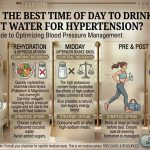
7. What is the best time of day to drink coconut water for hypertension?
Drinking coconut water in the morning or after a workout is ideal. Morning consumption aids hydration after sleep, while post-workout consumption replenishes lost electrolytes and helps stabilize blood pressure.
8. Does coconut water contain sodium that could worsen high blood pressure?
Coconut water naturally contains about 105 mg of sodium per 100g, which is relatively low. Its high potassium content (around 250 mg per 100g) far outweighs the sodium, resulting in a favorable potassium-to-sodium ratio that supports healthy blood pressure.
9. Can I drink coconut water during a hypertensive crisis (>180/120 mmHg)?
No. A hypertensive crisis is a medical emergency that requires immediate clinical care. Drinking coconut water will not lower critically high blood pressure fast enough to prevent organ damage. Call 911 or go to an emergency room immediately.
10. What other natural drinks help lower blood pressure?
Other beverages supported by research for blood pressure support include beetroot juice (rich in dietary nitrates that boost nitric oxide), unsweetened hibiscus tea (contains natural ACE-inhibiting compounds), and pomegranate juice (rich in vascular-protective antioxidants).
11. Final Verdict and Summary
While coconut water is a nutrient-dense beverage that supports long-term heart health, it is not a rapid home cure for a sudden blood pressure spike.
┌─────────────────────────────────────────────────────────────────────────┐
│                            FINAL SUMMARY                                │
├─────────────────────────────────────────────────────────────────────────┤
│  ✓ EXCELLENT FOR: Chronic hydration, dietary potassium supplementation, │
│    and replacing sugary sodas in a heart-healthy diet.                  │
│                                                                         │
│  ✗ NOT FOR: Emergency treatment of acute hypertensive surges or crises.  │
│                                                                         │
│  ★ BEST PRACTICE: Rest quietly, practice deep breathing, hydrate with  │
│    water or coconut water, and seek medical care if readings exceed      │
│    180/120 mmHg or cause physical symptoms.                             │
└─────────────────────────────────────────────────────────────────────────┘
Its high potassium and magnesium content helps promote sodium excretion, ease vascular tension, and support arterial health over time. However, because it requires hours to digest, it cannot replace immediate medical care during an acute surge.
For long-term health, enjoy coconut water as part of a balanced diet rich in whole foods, regular physical activity, stress management, and appropriate medical care.


One comment on “Can drinking coconut water lower a sudden blood pressure spike?”