







HFor many people living in the high-energy environments of Texas, New York, California, Washington, and San Francisco, the morning is often a frantic rush. Between balancing career demands and urban commutes, cardiovascular health often becomes an afterthought. However, your morning routine is the foundation upon which your heart’s daily performance is built.
By implementing a “heart-first” approach to your first two hours of the day, you can reduce systemic inflammation, stabilize blood pressure, and set a rhythm for longevity. Here is your comprehensive guide to building a heart-healthy morning routine from scratch.
The Science of the “Morning Surge”
The hours immediately following waking are physiologically unique. Your body experiences a natural “morning surge” in cortisol and adrenaline, which raises blood pressure and increases the stickiness of your blood (platelet aggregation). For those with heart concerns, this period is statistically the time of highest risk for cardiac events. A structured routine helps mitigate this stress.
The 5 Pillars of a Heart-Healthy Morning
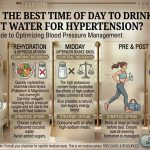
1. Hydration Before Stimulation
After 7–8 hours of sleep, your blood volume is naturally lower, which can increase the viscosity of your blood and force your heart to work harder.
- The Routine: Keep a large glass of water on your nightstand. Drink it immediately upon waking.
- Why: Proper hydration maintains blood volume and helps your kidneys manage blood pressure effectively throughout the day. Avoid reaching for coffee as your first drink, as it can cause a rapid, temporary spike in blood pressure.
2. Strategic Movement
You don’t need an hour at the gym to help your heart. In fact, “too much, too soon” can be stressful.
- The Routine: Engage in 10–15 minutes of light aerobic activity or dynamic stretching. A brisk walk, light yoga, or gentle floor exercises are ideal.
- Why: This promotes “vascular priming”—gently waking up your endothelial cells (the lining of your arteries) so they are better prepared to handle the stressors of the day.
3. The Cardiovascular Breakfast
Breakfast is the most important meal for setting your blood glucose and cholesterol trajectory for the day.
- The Routine: Prioritize soluble fiber and healthy fats. Think oatmeal with berries, walnuts, and flaxseeds, or a vegetable-heavy omelet with avocado.
- Why: Soluble fiber binds to cholesterol in the digestive system and removes it before it enters the bloodstream. Stable blood sugar prevents the “crash-and-spike” cycles that induce inflammation.
4. Mindfulness and Stress Buffering
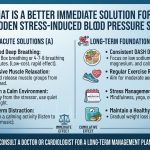
Chronic stress is a primary driver of hypertension. Starting your day by “ramping up” your stress (checking emails, reading news) activates your sympathetic nervous system instantly.
- The Routine: Dedicate 5 minutes to controlled breathing or silent reflection before checking your phone.
- Why: This activates the parasympathetic nervous system, keeping your cortisol levels lower and your blood pressure steadier as you transition into your workday.
5. Medication and Supplement Compliance
If you are managing blood pressure or cholesterol, consistency is non-negotiable.
- The Routine: Place your medications alongside something you must do, like brushing your teeth.
- Why: Building a “habit stack” ensures you never miss a dose, preventing the “rebound” effect that can occur when cardiovascular medications are skipped.
Sample Routine: The “Heart-First” Morning
| Time | Activity | Cardiovascular Benefit |
| 07:00 | Wake up + 16oz Water | Restores blood volume; lowers viscosity. |
| 07:05 | 10 Min Light Stretching | Improves blood flow; reduces morning stiffness. |
| 07:15 | Mindful Breathing (5 min) | Lowers initial cortisol/stress response. |
| 07:20 | Heart-Healthy Breakfast | Manages glucose and cholesterol levels. |
| 07:45 | Medications/Vitamins | Ensures physiological stability. |
Frequently Asked Questions (FAQ)
1. Should I exercise on an empty stomach?
For most people, light movement is fine. However, if you are on medication that can lower blood sugar, always have a small, balanced snack before exercising.
2. Can I check my emails while I eat?
Avoid it. Eating while distracted or stressed prevents you from practicing mindful nutrition and increases the “fight-or-flight” response during a meal.
3. Is cold-plunge bathing good for a morning heart routine?
While trendy, cold exposure causes a massive surge in blood pressure. If you have an irregular heart or high blood pressure, consult your doctor before attempting this.
4. Does the type of water matter?
Plain, filtered water is best. Avoid sugary fruit juices, which cause immediate glucose spikes that are detrimental to your arteries.
5. How long should I wait to have my coffee?
Aim to wait at least 60–90 minutes after waking. This allows your natural cortisol levels to stabilize and prevents an unnecessary, exaggerated spike in blood pressure.
6. What if I am a “night owl” and hate mornings?
You don’t need to be a morning person to have a morning routine. Simply shrinking your routine to 15 minutes of non-negotiable actions is enough to see health benefits.
7. Can a morning routine help with irregular heartbeats (arrhythmias)?
Yes. By reducing morning stress and ensuring proper hydration, you can minimize common triggers for palpitations.
8. Are eggs healthy for my heart?
For most, yes. They are a great source of choline and protein. If you have high cholesterol, your doctor may suggest limiting yolks, but they remain a healthy staple for most.
9. Why do I feel “skipped beats” in the morning?
This is often caused by the “morning surge” of adrenaline. A calm, slow start to the day can significantly dampen this response.
10. When is the best time to take my blood pressure meds?
Follow your doctor’s orders. Some are prescribed for morning, others for night. The most important thing is taking them at the same time every day.
Conclusion
Building a heart-healthy morning routine is an investment in your future. By focusing on hydration, gentle movement, and stress management, you move from being a victim of the “morning rush” to being the architect of your own vascular health. You don’t need to overhaul your entire life overnight; start by adding one of these pillars to your morning this week and watch how your body responds.ow to build a heart healthy morning routine from scratch
How to build a heart healthy morning routine from scratch


One comment on “How to build a heart healthy morning routine from scratch”