








How much coconut water should I drink daily for hypertension management? Managing hypertension is a marathon, not a sprint. As more people living in high-stress urban centers—from New York and San Francisco to Seattle, Los Angeles, and cities across Texas—seek natural ways to bolster cardiovascular health, coconut water has emerged as a staple in the “heart-healthy” toolkit.
Celebrated for its high potassium and magnesium content, coconut water acts as a gentle, natural electrolyte tonic. However, a common misconception is that “more is better.” When it comes to blood pressure management, balance is the golden rule.
So, how much coconut water should you drink daily for hypertension management?
The evidence-based consensus is: One 8-ounce (approx. 240ml) serving per day is the sweet spot for most individuals. This amount provides a meaningful boost of potassium to help counteract sodium’s blood-pressure-raising effects without introducing excessive calories or natural fruit sugars into your diet.
This comprehensive, optimized guide explores the role of potassium in blood pressure regulation, optimal consumption limits, safety precautions, and how to integrate this tropical nectar into a heart-healthy lifestyle.
The Cardiovascular Connection: Why Potassium Matters
To understand why 8 ounces is the target, we must look at the “Sodium-Potassium Seesaw.”
1. The Sodium Problem
Most modern diets—especially those heavy in processed foods common in fast-paced cities—are loaded with sodium. Excess sodium causes your body to retain water, which increases blood volume and puts extra strain on your arterial walls, leading to higher blood pressure.
2. The Potassium Solution
Potassium works as a natural antagonist to sodium. It helps your kidneys flush out excess sodium through urine and assists in relaxing the tension within your blood vessel walls. By easing this tension, potassium helps lower systolic and diastolic blood pressure readings.
Coconut water is a potent, natural source of this essential mineral, but it is not a “magic bullet.” It must be part of a broader, low-sodium dietary strategy.
Recommended Daily Limits: Finding Your Balance
While 8 ounces is the standard recommendation, individual needs can vary based on your activity level, total diet, and existing medical status.
The “One-Cup” Rule
- The Goal: 8 ounces (one cup) of 100% pure coconut water provides approximately 400–600 mg of potassium.
- The Context: The recommended daily intake for potassium for the average adult is roughly 2,600 to 3,400 mg. By drinking one cup of coconut water, you comfortably satisfy about 15–20% of your daily potassium needs without overwhelming your kidneys or caloric intake.
Comparative Matrix: Serving Size Impact
| Intake Level | Impact on BP Management | Pros | Cons |
| Below 8 oz | Mild/Supportive | Zero caloric risk; gentle hydration. | May not provide enough potassium to see measurable changes. |
| 8 oz (Recommended) | Optimal | Ideal balance of minerals, calories, and hydration. | None for the average person. |
| 16 oz – 24 oz+ | Risky | High hydration. | Potential for hyperkalemia (high potassium); caloric overload. |
Product Reviews: The Best Coconut Waters for Heart Health
When you are drinking coconut water for medicinal support, the quality of the product is as important as the quantity.
1. Harmless Harvest Organic 100% Raw Coconut Water
- Why it’s a top pick: It is unheated and non-pasteurized (cold-filtered), meaning it retains the most natural mineral profile. It contains zero added sugar, which is critical for heart health.
- Best for: Purists who want the most nutrient-dense option.
2. Vita Coco Pure Coconut Water
- Why it’s a top pick: It is the most accessible brand in stores across Texas, California, and New York. It is shelf-stable, consistent, and provides an reliable dose of potassium in every 8-ounce serving.
- Best for: Convenience and daily consistency.
3. Omron Silver Wireless Blood Pressure Monitor
- Why it’s a top pick: If you are using dietary changes like coconut water to support your health, you must measure the results. This clinical-grade monitor is the standard for tracking the efficacy of your diet.
- Best for: Data-driven health management.
Actionable Tips for Integration
- Read the Label: Avoid any coconut water that lists “cane sugar,” “sweeteners,” or “concentrate.” Added sugars are inflammatory and can negate the cardiovascular benefits you are seeking.
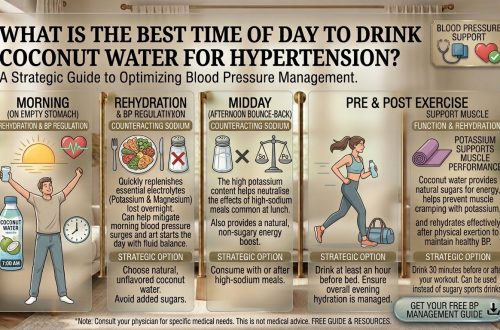
- Time It Right: Drinking your 8 ounces in the morning on an empty stomach helps hydrate you after sleep and sets a healthy tone for the day.
- Track Your Total Potassium: Remember that you are also getting potassium from bananas, avocados, spinach, and sweet potatoes. Don’t rely solely on coconut water; it is a supplement to a real-food diet.
- Consult Your Doctor: If you are on blood pressure medication—specifically ACE inhibitors or diuretics—you must talk to your doctor before adding coconut water to your diet. These medications can sometimes cause the body to retain too much potassium, and adding more via coconut water can trigger a dangerous condition called hyperkalemia.
10 Comprehensive FAQs
1. Can coconut water replace my high blood pressure medication?
No. Never. Coconut water is a dietary support, not a drug. Stopping medication to replace it with coconut water is dangerous and can lead to strokes or heart attacks.
2. Is there a difference between coconut water and coconut milk?
Yes. Coconut milk is high in saturated fat and calories; coconut water is the clear liquid found inside young coconuts and is much lower in fat, making it better for heart health.
3. Why shouldn’t I drink more than 8 ounces a day?
Excessive potassium intake can be dangerous for heart rhythm, particularly for those with mild, undiagnosed kidney impairment. 8 ounces is the safe, effective limit for most.
4. Does coconut water help with sodium retention?
Yes, the high potassium content helps the kidneys excrete sodium more efficiently, which is the cornerstone of blood pressure management.
5. Can I drink coconut water if I have kidney issues?
Do not do this without medical clearance. If your kidneys are not functioning at 100%, they may struggle to filter out the high potassium found in coconut water, which can be life-threatening.
6. Does it matter what time of day I drink it?
Drinking it in the morning is ideal for hydration, but the cardiovascular benefits of potassium apply regardless of when you consume it.
7. Should I choose “pressed” or “filtered” coconut water?
“Raw” or “cold-pressed” is generally considered the healthiest as it is least processed, but high-quality filtered options are also excellent for daily use.
8. Will I lose weight by drinking coconut water?
It is not a weight-loss drink. It is a hydration aid. If you consume it in excess, the natural sugars can actually contribute to calorie surplus, which may hinder heart health goals.
9. What should I do if I feel palpitations after drinking it?
Stop drinking it immediately and contact your doctor. While rare, this could be a sign that your potassium levels are too high (hyperkalemia).
10. Can I mix coconut water with other drinks?
Yes, it makes a great base for green smoothies featuring kale or spinach, which are also excellent for hypertension management.
Conclusion
Incorporating 8 ounces of pure coconut water into your daily routine is a refreshing and evidence-based way to support your heart health. By naturally increasing your potassium intake, you provide your blood vessels with the minerals they need to manage tension and sodium balance. Whether you reside in the bustling markets of New York, the tech hubs of San Francisco, or the growing communities of Texas and Washington, this simple addition can be a cornerstone of your heart-healthy lifestyle. Always remember: monitor your health, choose pure products, and keep your healthcare provider in the loop. Your heart will thank you for the consistency!