

When people think about heart health and nutrition, the conversation usually revolves around cutting back on sodium, avoiding saturated fats, or loading up on omega-3 fatty acids. However, an essential mineral plays an equally crucial role in regulating blood pressure, protecting blood vessels, and keeping your heart beating smoothly: potassium.
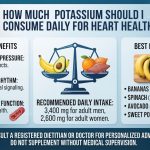
According to the National Academies of Sciences, Engineering, and Medicine (NASEM) and the Dietary Guidelines for Americans, most healthy adult men require 3,400 mg of potassium daily, while healthy adult women need 2,600 mg. Despite these recommendations, CDC data reveals that the average American consumes only about 2,500 mg per day, making potassium a recognized “nutrient of public health concern”.
Whether you live in bustling urban centers like New York City, Los Angeles, and San Francisco, or anywhere across Texas and Washington, modern fast-paced lifestyle habits often favor sodium-heavy processed foods over potassium-rich whole foods.
This comprehensive guide breaks down everything you need to know about potassium intake for cardiovascular wellness, from daily requirements and food sources to warning signs and actionable diet tips.
Why Potassium Matters for Your Heart
Potassium is an essential mineral and electrolyte that carries a small electrical charge when dissolved in water. Your cells, nerve endings, and muscle tissue—including the heart muscle—rely on these electrical signals to function.
       +-------------------------------------------------------+
       |             SODIUM & POTASSIUM BALANCE               |
       +-------------------------------------------------------+
       |                                                       |
       |     [ High Sodium ] ----------> Retains Water         |
       |                                      |                |
       |                                 Raises Blood          |
       |                                   Pressure            |
       |                                      |                |
       |     [ High Potassium ] --------> Excretes Sodium      |
       |                                 & Relaxes Arteries    |
       |                                      |                |
       |                                 Lowers Blood          |
       |                                   Pressure            |
       +-------------------------------------------------------+
1. Blunting the Hypertensive Effects of Sodium
Sodium causes the body to hold onto water, increasing blood volume and raising pressure inside the arteries. Potassium acts as a natural counterweight. The more potassium you consume, the more sodium your body excretes through urine.
2. Relaxing Blood Vessel Walls
Potassium promotes vasodilation—the widening and relaxing of blood vessel walls. When arterial walls relax, resistance to blood flow decreases, lowering overall blood pressure and reducing workload on the myocardium (heart muscle).
3. Regulating Cardiac Electrical Impulses
The rhythmic contraction of the heart is controlled by delicate shifts of potassium and sodium ions across heart muscle cell membranes (via the $Na^+/K^+$-ATPase pump). Adequate potassium levels prevent abnormal heart rhythms (arrhythmias).
4. Reducing Stroke & Cardiovascular Disease Risk
Clinical trials and meta-analyses show that increasing dietary potassium lowers the risk of stroke by 20% to 24% and significantly reduces the incidence of coronary heart disease and heart failure.
Daily Recommended Potassium Intake
The standard Adequate Intake (AI) guidelines established by NASEM vary based on age, biological sex, and specific life stages.
FDA Daily Value (DV) Note: You may notice 4,700 mg on official nutrition facts labels in the United States. The FDA uses 4,700 mg as the standard Daily Value baseline to help consumers maximize whole-food potassium intake, even though 2,600 mg–3,400 mg represents the baseline Adequate Intake for maintaining normal physiological function.
Official Dietary Guidelines by Age & Demographics
| Age / Life Stage | Daily Recommended Intake (Males) | Daily Recommended Intake (Females) |
| 0 – 6 months | 400 mg | 400 mg |
| 7 – 12 months | 860 mg | 860 mg |
| 1 – 3 years | 2,000 mg | 2,000 mg |
| 4 – 8 years | 2,300 mg | 2,300 mg |
| 9 – 13 years | 2,500 mg | 2,300 mg |
| 14 – 18 years | 3,000 mg | 2,300 mg |
| 19+ years (Adults) | 3,400 mg | 2,600 mg |
| Pregnancy | — | 2,900 mg |
| Lactation | — | 2,800 mg |
The Sodium-to-Potassium Ratio: Why Balance Is Key
While absolute potassium numbers are important, many cardiologists argue that your sodium-to-potassium (Na:K) ratio is even more critical for long-term blood pressure control.
- The Modern Standard Diet: The typical Western diet yields a Na:K ratio of roughly 2:1 or higher, meaning people consume twice as much sodium as potassium. This imbalance contributes directly to high rates of hypertension, arterial stiffness, and heart disease.
- The Heart-Healthy Goal: Cardiovascular specialists recommend aiming for a 1:2 ratio—consuming twice as much potassium as sodium daily.
If your daily sodium limit is 2,000 mg, aiming for 3,400 mg to 4,000 mg of dietary potassium helps restore balance and protect your vascular network.
Top Potassium-Rich Foods for Heart Health
When people think of potassium, bananas are usually the first food that comes to mind. While a medium banana provides a solid 422 mg of potassium, several whole foods contain far higher amounts per serving.
High-Potassium Food Directory
| Food Category | Food Item | Portion Size | Average Potassium (mg) | % Daily Value (4,700 mg) |
| Vegetables | Baked Sweet Potato (with skin) | 1 medium | 542 mg | 11.5% |
| Vegetables | Baked White Potato (with skin) | 1 medium | 926 mg | 19.7% |
| Vegetables | Cooked Spinach | 1 cup | 839 mg | 17.8% |
| Vegetables | Cooked Swiss Chard | 1 cup | 961 mg | 20.4% |
| Vegetables | Beet Greens | 1 cup cooked | 1,309 mg | 27.8% |
| Legumes & Beans | Cooked White Beans | 1 cup | 1,004 mg | 21.3% |
| Legumes & Beans | Cooked Lima Beans | 1 cup | 969 mg | 20.6% |
| Legumes & Beans | Cooked Lentils | 1 cup | 731 mg | 15.5% |
| Fruits | Avocado | 1 whole | 690 mg | 14.7% |
| Fruits | Banana | 1 medium | 422 mg | 9.0% |
| Fruits | Cantaloupe | 1 cup cubed | 427 mg | 9.1% |
| Fruits | Dried Apricots | ½ cup | 755 mg | 16.0% |
| Seafood | Wild Salmon | 6 oz cooked | 860 mg | 18.3% |
| Seafood | Atlantic Halibut | 6 oz cooked | 800 mg | 17.0% |
| Beverages & Dairy | Coconut Water | 1 cup (8 oz) | 600 mg | 12.8% |
| Beverages & Dairy | Plain Non-Fat Yogurt | 1 cup | 579 mg | 12.3% |
Sample 1-Day High-Potassium, Heart-Healthy Meal Plan
Here is a practical, easy-to-prep meal plan designed to deliver approximately 3,600 mg of potassium while keeping sodium under 1,800 mg.
Breakfast
- Oatmeal: 1 cup cooked rolled oats (150 mg potassium) topped with 1 sliced banana (422 mg) and 2 tbsp sliced almonds (200 mg).
- Beverage: 8 oz unsweetened coconut water or 100% orange juice (450 mg).
- Total Breakfast Potassium: ~1,222 mg
Lunch
- Spinach & Avocado Salad: 2 cups fresh spinach (330 mg), ½ medium avocado diced (345 mg), ½ cup cherry tomatoes (200 mg), and 4 oz grilled chicken breast (300 mg) dressed with olive oil and lemon juice.
- Total Lunch Potassium: ~1,175 mg
Afternoon Snack
- 1 cup non-fat Greek yogurt (380 mg) mixed with ½ cup blueberries (110 mg).
- Total Snack Potassium: ~490 mg
Dinner
- 5 oz baked wild salmon (715 mg).
- 1 medium baked sweet potato with skin (542 mg).
- 1 cup steamed broccoli (280 mg).
- Total Dinner Potassium: ~1,537 mg
Daily Summary:
Total Potassium: ~4,424 mg | Total Sodium: <1,600 mg | Heart Rating: Excellent
Potentially Dangerous Potassium Levels: Too Much or Too Little?
Maintaining balanced potassium levels is essential. Both abnormally high and abnormally low blood potassium concentrations can trigger serious health complications.
1. Hypokalemia (Low Potassium)
Hypokalemia occurs when serum potassium levels drop below 3.5 mmol/L.
- Causes: Chronic diarrhea, severe vomiting, overuse of loop diuretics (water pills), excessive sweating, or chronic under-consumption.
- Symptoms: Muscle weakness, fatigue, severe muscle cramps, constipation, and irregular heart rhythms (palpitations or ectopy).
- Heart Consequences: Increases risk of cardiac arrest and fatal ventricular arrhythmias, especially in people with pre-existing heart failure.
2. Hyperkalemia (High Potassium)
Hyperkalemia occurs when serum potassium levels rise above 5.0 mmol/L (with severe hyperkalemia reaching >6.5 mmol/L).
- Causes: Chronic Kidney Disease (CKD), acute kidney failure, uncontrolled diabetes, potassium-sparing diuretics, or excessive use of potassium supplements.
- Symptoms: Nausea, slow pulse, muscle numbness, chest pains, or zero visible warning symptoms prior to sudden cardiac events.
- Heart Consequences: Disrupts normal cardiac electrical conduction, potentially leading to bradycardia, heart block, or cardiac arrest.
CRITICAL MEDICAL WARNING FOR KIDNEY PATIENTS:
If you have Chronic Kidney Disease (CKD) or reduced renal function, your kidneys cannot clear excess potassium efficiently. High-potassium diets or supplements can lead to life-threatening hyperkalemia. Always follow personalized dietary guidelines from your nephrologist or cardiologist.
Practical Tips to Safely Boost Your Dietary Potassium
- Focus on Whole Foods First: Get potassium from whole vegetables, fruits, legumes, and lean proteins rather than supplements. Whole foods provide fiber, magnesium, and antioxidant compounds that support arterial health.
- Keep the Skins On: A large portion of potassium in root vegetables like potatoes, sweet potatoes, and carrots is located in or just beneath the outer skin. Wash thoroughly and keep the skin intact during cooking.
- Steam or Roast Instead of Boiling: Potassium is a water-soluble mineral. Boiling potatoes or greens in large amounts of water can leach out up to 50% of their potassium content into the discarded water. Steam, microwave, or roast your vegetables instead.
- Use Salt Substitutes Cautiously: Many commercial low-sodium “light salts” replace sodium chloride with potassium chloride. While helpful for healthy adults seeking to cut sodium, these products can trigger hyperkalemia in people with kidney conditions or those taking blood pressure medications like ACE inhibitors.
- Beware of OTC Supplement Limits: FDA regulations restrict over-the-counter potassium supplements to 99 mg per dose due to risks of intestinal lesions and hyperkalemia. To get meaningful amounts of potassium safely, rely on whole-food sources.
Top 10 Frequently Asked Questions (FAQ)
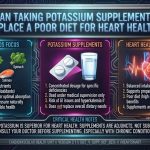
1. Can taking potassium supplements replace a poor diet for heart health?
No. Over-the-counter potassium supplements are capped at 99 mg per serving in the US for safety reasons. Reaching your daily target of 2,600 mg–3,400 mg through supplements alone would require taking dozens of pills daily, which can cause severe stomach lining irritation or dangerous spikes in blood potassium. Whole foods remain the safest, most effective source.
2. How fast does potassium lower blood pressure?
Dietary changes that increase potassium intake while lowering sodium can start reducing blood pressure within 1 to 2 weeks. For optimal, long-term cardiovascular benefits, maintain these dietary adjustments consistently over time.
3. Are bananas the best food source of potassium?
While bananas are convenient and deliver about 422 mg of potassium per fruit, they are far from the highest source. Foods like baked white potatoes (926 mg), cooked spinach (839 mg), Swiss chard (961 mg), and white beans (1,004 mg) offer significantly more potassium per serving.
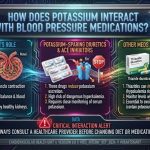
4. How does potassium interact with blood pressure medications?
It depends on the class of medication:
- ACE Inhibitors (e.g., lisinopril) & ARBs (e.g., losartan): Retain potassium in the body. Combining these with high-dose potassium supplements or salt substitutes can cause dangerous hyperkalemia.
- Potassium-Sparing Diuretics (e.g., spironolactone): Also preserve potassium, requiring careful monitoring.
- Loop Diuretics (e.g., furosemide): Cause potassium excretion, often requiring dietary increases or prescribed potassium supplements. Always consult your doctor regarding your specific medications.
5. What are the earliest symptoms of low potassium (hypokalemia)?
Early warning signs include persistent fatigue, unexpected muscle cramps (especially in the calves or feet), muscle weakness, constipation, and feelings of heart flutters or racing heartbeat (palpitations).
6. Is coconut water effective for boosting daily potassium intake?
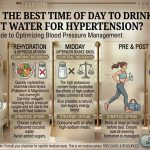
Yes! One 8 oz cup of pure coconut water supplies roughly 600 mg of natural potassium with minimal calories and zero fat. It serves as an excellent low-sugar electrolyte drink, provided it contains no added sugars.
7. Should people with kidney disease follow high-potassium diets?
No. Individuals with Chronic Kidney Disease (CKD) or kidney failure should strictly consult their doctor or a renal dietitian. Because impaired kidneys cannot effectively filter potassium out of the blood, high-potassium intake can lead to life-threatening hyperkalemia.
8. Does cooking lower potassium levels in vegetables?
Boiling vegetables in water drains away up to 50% of their potassium into the water. To preserve potassium, cook your vegetables using methods like roasting, steaming, microwaving, or sautéing, or use the cooking liquid in soups and stews.
9. Why does the FDA Nutrition Label list 4,700 mg when daily guidelines say 2,600–3,400 mg?
The FDA set 4,700 mg as the standard Daily Value baseline to encourage whole-food nutrition and help counter high dietary sodium levels in the average American diet. However, the NASEM Adequate Intake baseline for general bodily function remains 3,400 mg for adult men and 2,600 mg for adult women.
10. Can drinking excessive water dilute potassium levels in the body?
Extreme water intake (over-hydration) without adequate electrolyte replenishment can lead to lower concentrations of blood electrolytes, though it more commonly drops sodium (hyponatremia) than potassium. Drinking according to thirst and maintaining a balanced, nutrient-dense diet prevents dilution issues.
Conclusion & Key Takeaways
Potassium is a foundational nutrient for cardiovascular wellness. By relaxing blood vessels, counteracting excess sodium, and supporting steady cardiac rhythm, adequate daily potassium intake offers protection against hypertension, stroke, and heart failure.
- Target Requirements: Healthy adult men should aim for 3,400 mg/day, and adult women should aim for 2,600 mg/day.
- Prioritize Whole Foods: Build your daily meal plan around leafy greens, potatoes, beans, squash, avocados, citrus fruits, and lean seafood.
- Watch the Ratio: Strive to consume more potassium than sodium each day to keep your blood pressure stable.
- Consult Your Physician: If you take blood pressure medications, have kidney concerns, or are considering high-potassium salt substitutes, speak with your healthcare provider first to ensure safe, tailored dietary boundaries.


