
The best lifestyle habits to drastically reduce your risk of ischemic stroke. For busy, high-achieving professionals in hubs like New York, San Francisco, Texas, Washington, and California, the focus is often on optimizing performance, productivity, and professional growth. However, the most critical foundation for sustaining that success is vascular health. An ischemic stroke—caused by a blood clot blocking flow to the brain—is a life-altering event, but it is also one of the most preventable conditions in modern medicine.
At blogsheart.com, we bridge the gap between complex cardiovascular science and practical, daily habits. Reducing your risk of stroke is not about “living in fear”; it is about building a vascular system that is resilient, flexible, and clean. Here is your roadmap to long-term brain and heart protection.
The Vascular Connection: Why the Brain Needs a Healthy Heart
An ischemic stroke occurs when the “plumbing” to the brain is blocked. This happens either through a clot forming in an artery that feeds the brain (thrombosis) or a clot traveling from the heart to the brain (embolism). Therefore, preventing stroke is essentially an exercise in maintaining the health of your arteries—keeping them free of plaque and your blood flowing at an optimal, non-clotting consistency.
7 Core Lifestyle Habits for Stroke Prevention
1. Master Your Blood Pressure “Base”
High blood pressure (hypertension) is the single most significant risk factor for stroke. It damages the delicate inner lining of your arteries (the endothelium), creating the “rough patches” where clots are most likely to form.
- The Habit: Monitor your blood pressure at home. Don’t rely on one reading at the doctor’s office. Aim for a consistent “base” of 120/80 mmHg.
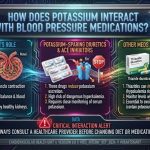
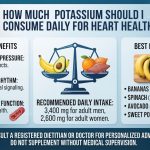
- The Strategy: Reduce sodium, increase potassium-rich whole foods, and implement 10 minutes of daily deep breathing (a proven way to naturally lower sympathetic nervous system tension).
2. The Mediterranean-Plus Dietary Pattern
A stroke-preventative diet is one that minimizes systemic inflammation and prevents arterial stiffness.
- The Habit: Prioritize the “Big Three”: Leafy greens (nitrates for vessel flexibility), Omega-3 rich fish (anti-platelet support), and healthy fats like Extra Virgin Olive Oil (endothelial protection).
- The Strategy: Eliminate all “trans” fats and drastically limit refined sugars. Sugar-induced insulin spikes are a major driver of arterial damage.
3. Move to “Condition” Your Arteries
The brain relies on consistent blood flow. Sedentary behavior leads to stagnant blood and vascular stiffness.
- The Habit: Aim for 150 minutes of moderate aerobic activity weekly. The key is Zone 2 training—brisk walking or cycling that keeps your heart rate steady and sustainable.
- The Strategy: Use movement as “vascular medicine.” Every minute of aerobic activity increases the production of nitric oxide, the molecule that tells your arteries to stay open and flexible.
4. Sleep Hygiene as Brain Protection
Sleep is not a luxury; it is when the body performs “vascular housekeeping.”
- The Habit: Aim for 7–8 hours of consistent sleep. If you snore or wake up gasping, get screened for Sleep Apnea immediately.
- The Strategy: Sleep Apnea is a silent stroke risk factor because it causes intermittent oxygen deprivation and massive spikes in blood pressure at night.
5. Manage Your “Electrical Rhythm”
If you have undiagnosed Atrial Fibrillation (AFib), your risk of stroke increases significantly because the heart can form clots.
- The Habit: If you ever feel “flutters,” “skips,” or a racing heart while at rest, talk to a doctor.
- The Strategy: Even if you feel fine, if you are over 50, ensure your doctor performs an EKG periodically to rule out silent rhythm issues.
6. The “Anti-Stick” Hydration Rule
Dehydration increases blood viscosity (thickness). Thick blood is harder for the heart to pump and more likely to form clots.
- The Habit: Sip mineral-rich water throughout the day. Avoid relying solely on caffeine for your fluid intake.
- The Strategy: Add a pinch of sea salt or electrolytes to your water to help your cells actually retain the fluid you drink.
7. Strategic Stress Off-Loading
In the high-stress urban centers of CA, NY, and WA, chronic cortisol elevation is a vascular toxin.
- The Habit: Create a daily “transition ritual” between work and home.
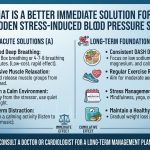
- The Strategy: Whether it is a 5-minute walk, a meditation session, or just unplugging from screens, you must physically signal to your nervous system that it is time to move from “work” mode to “rest” mode.
10 Frequently Asked Questions (FAQ)
1. Is a stroke the same as a heart attack? No. A heart attack is a blockage to the heart; a stroke is a blockage (or bleed) in the brain. However, they share the exact same risk factors: blood pressure, cholesterol, and inflammation.
2. I’m young and healthy—should I worry? You don’t need to “worry,” but you should be proactive. Strokes are increasingly appearing in younger populations due to high stress, sedentary habits, and poor diet.
3. Does exercise protect my brain? Yes. It increases blood flow, regulates blood pressure, and lowers the inflammatory markers that lead to clots.
4. Can alcohol increase stroke risk? Yes. Even moderate, consistent alcohol intake can raise blood pressure and increase the risk of AFib, which is a major stroke trigger.
5. How do I know if I’m at high risk? Ask your doctor to calculate your “10-year stroke/cardiovascular risk score” based on your age, BP, and lipid profile.
6. Is coffee good or bad? For most, black coffee is fine. However, if coffee causes palpitations or spikes your blood pressure, it may not be right for your vascular system.
7. Does family history mean I’m destined for a stroke? No. Family history is a “genetic bias,” but lifestyle is the dominant force. You can effectively override a genetic predisposition with aggressive lifestyle management.
8. What is the most common early warning sign of a stroke? “TIA” (Transient Ischemic Attack) or a “mini-stroke.” Symptoms like sudden weakness, slurred speech, or vision loss that go away on their own. Never ignore a TIA; it is a medical emergency.
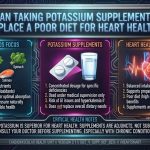
9. Can supplements replace lifestyle habits? No. Supplements are “top-ups” for an already healthy foundation. You cannot “supplement” your way out of a poor diet and sedentary lifestyle.
10. When is the best time to start? Today. Vascular health is built over years; every healthy choice you make today is a deposit into your future brain health.
Conclusion
Preventing an ischemic stroke is one of the most effective ways to ensure your long-term independence and quality of life. By treating your arteries with the respect they deserve—prioritizing blood pressure control, inflammation-fighting nutrition, and disciplined stress management—you are actively shielding your brain. At blogsheart.com, we emphasize that consistency is your greatest asset. Build these habits into your professional life, monitor your metrics, and enjoy the peace of mind that comes from knowing you are doing everything possible to protect your most vital organ.


