
Natural heart health tips for men over fifty to prevent cardiovascular disease. Turning fifty is a milestone that represents wisdom, career peak, and a shift in perspective. However, from a cardiovascular standpoint, it also marks a critical physiological turning point. For men across the United States—whether you are navigating the high-stakes, fast-paced corporate environments of New York City and San Francisco, or enjoying the active outdoor lifestyles of Texas, California, and Washington—fifty is the time to transition from passive wellness to an active, defense-first strategy for your heart.
At blogsheart.com, we believe that growing older should not mean accepting cardiovascular decline. Cardiovascular disease remains the leading cause of mortality among men over fifty, yet the vast majority of its underlying drivers—such as arterial stiffness, systemic inflammation, and metabolic dysfunction—are highly responsive to natural interventions.
This comprehensive guide is built to serve as your ultimate blueprint for heart disease prevention, offering deeply researched biological insights, practical lifestyle adjustments, and natural strategies to keep your heart strong for the decades ahead.
The Physiology of the Male Heart After 50: What Changes?
To effectively protect your heart, you must understand what happens inside your cardiovascular system as you cross the half-century mark. Aging introduces several subtle but profound changes that increase susceptibility to cardiovascular disease.
1. The Decline of Endothelial Function and Nitric Oxide
The endothelium is the microscopic, single-cell lining that coats the inside of your blood vessels. It is responsible for releasing nitric oxide, a vital gas that signals the smooth muscles of your arteries to relax, dilate, and allow blood to flow smoothly.
As men age, natural nitric oxide production drops sharply—often by more than 50% by the time they reach their fifties. Without adequate nitric oxide, blood vessels become stiffer, less compliant, and more prone to micro-tears. This loss of elasticity forces the heart to pump against higher resistance, directly contributing to age-related hypertension.
2. Hormonal Shifts: The Testosterone Factor
While women go through a rapid transition during menopause, men experience a slower, steady decline in hormones, often referred to as andropause. Testosterone levels drop by roughly 1% to 2% each year after the age of thirty.
Testosterone is not just a hormone for muscle mass and libido; it plays an integral role in maintaining vascular health. Optimal testosterone levels help regulate lipid profiles, support insulin sensitivity, and keep systemic inflammation in check. When testosterone drops too low, men frequently notice an increase in visceral fat accumulation around the midsection, which acts as a primary driver of arterial plaque formation.
3. The Accumulation of Soft Plaque
By the age of fifty, most men living in modern industrial societies have developed some degree of arterial plaque. The real danger does not always come from hard, calcified plaque, which stabilizes over time. Instead, it comes from vulnerable, soft plaque—a mixture of oxidized LDL cholesterol, white blood cells, and calcium deposits hidden within the arterial wall. If systemic inflammation runs high, these soft plaques can rupture, triggering a rapid clotting cascade that leads to an acute coronary event.
Key Takeaway: Preventing heart disease after fifty is not just about forcing your cholesterol numbers down; it is about keeping your arterial walls elastic, minimizing vascular inflammation, and protecting the structural strength of your heart muscle.
Nutritional Architecture: Eating for Endothelial Strength
Dietary advice for heart health is often oversimplified into “eat less fat and more grains.” For a man over fifty, this outdated paradigm can actually worsen insulin resistance and drive up triglycerides. Your nutritional strategy should focus on supporting nitric oxide production, reducing oxidative stress, and maintaining a healthy metabolic baseline.
Fueling the Nitric Oxide Pathway
Because your body naturally produces less nitric oxide after fifty, you must provide it with the dietary precursors needed to synthesize this molecule through the nitrate pathway.
- Dietary Nitrates: Vegetables such as arugula, beets, spinach, Swiss chard, and celery are packed with inorganic nitrates. When consumed, your oral bacteria convert these nitrates into nitrites, which are then transformed into nitric oxide in the bloodstream, triggering natural vasodilation and lowering blood pressure within hours.
- L-Arginine and L-Citrulline: These amino acids act as critical building blocks for the vascular system. Watermelon, pumpkin seeds, walnuts, and grass-fed meats are excellent natural sources that help support circulatory efficiency.
Shifting from Pro-Inflammatory to Anti-Inflammatory Fats
The human brain and cardiovascular system require healthy fats to function, but the type of fat you consume makes all the difference. Industrial seed oils (such as canola, corn, and soybean oil) are high in omega-6 fatty acids, which can oxidize easily under high heat and promote structural vascular inflammation.
- Embrace Monounsaturated Fats: Extra virgin olive oil and avocados should form the baseline of your fat intake. Olive oil contains oleocanthal, a natural polyphenol with potent anti-inflammatory properties that mimic the action of low-dose ibuprofen in protecting the endothelial lining.
- Prioritize Marine Omega-3s: Eicosapentaenoic acid (EPA) and docosahexaenoic acid (DHA) found in wild-caught salmon, sardines, and mackerel are essential for lowering triglycerides, stabilizing heart rhythms, and preventing cellular stickiness in blood vessels.
The Power of Dietary Fiber
Soluble fiber acts as a natural binder in the digestive tract, latching onto excess bile acids and carrying them out of the body. This forces the liver to utilize circulating LDL cholesterol to produce new bile, naturally lowering your atherogenic particle count without interfering with your body’s natural processes.
Nutrient Targets for Cardiovascular Longevity
| Nutrient Category | Key Food Sources | Primary Cardiovascular Benefit | Target Daily Intake |
| Dietary Nitrates | Beets, Arugula, Spinach, Kale | Enhances nitric oxide production; lowers blood pressure. | 1–2 large servings daily |
| Omega-3 Fatty Acids | Wild Salmon, Sardines, Walnuts | Reduces systemic inflammation; lowers triglycerides. | 1,000–2,000 mg (EPA/DHA) |
| Soluble Fiber | Oats, Chia Seeds, Psyllium Husk | Binds circulating toxins; optimizes lipid profiles. | 35+ grams total fiber |
| Polyphenols | Dark Berries, Green Tea, Cacao | Neutralizes free radicals; prevents LDL oxidation. | Diverse daily colors |
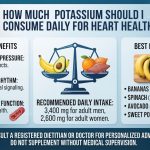
| Potassium | Avocados, Bananas, Sweet Potatoes | Counteracts sodium; relaxes arterial walls. | 3,500–4,700 mg |
Exercise Architecture: Building a Resilient Circulatory Pump
Many men over fifty fall into one of two dangerous exercise extremes: they either become entirely sedentary due to joint pain and demanding schedules, or they attempt to maintain the high-intensity, explosive workout regimens of their twenties, putting excessive acute stress on their hearts and tendons. The optimal exercise program for a fifty-plus heart focuses on aerobic base building and structural muscle retention.
1. The Dominance of Zone 2 Aerobic Training
Zone 2 training refers to exercise performed at an intensity where you can maintain a conversation but can tell you are exerting yourself (roughly 60% to 70% of your maximum heart rate). For men over fifty, this is the single most effective form of exercise for preventing cardiovascular disease.
- Mitochondrial Biogenesis: Zone 2 exercise stimulates the creation of new mitochondria—the cellular power plants—within your heart and skeletal muscle cells. This greatly increases the efficiency with which your heart uses oxygen.
- Vascular Remodeling: Long, steady-state cardio sessions (such as brisk walking, cycling, or rowing for 45 to 60 minutes) encourage the growth of new capillary networks, reducing the total workload and pumping pressure required of your heart.
2. Resistance Training as a Metabolic Sink
Sarcopenia—the natural loss of muscle mass—accelerates after the age of fifty. Muscle tissue is not just for physical strength; it serves as your body’s primary storage tank for blood glucose.
When you lift weights or perform bodyweight resistance exercises at least three times per week, you create new insulin receptors on the surface of your muscle cells. This allows your body to clear glucose from the bloodstream quickly, preventing the chronic spikes in insulin that scratch and damage the delicate inner lining of your coronary arteries.
[Sedentary Lifestyle] ---> [Loss of Muscle Mass] ---> [Elevated Blood Glucose]
                                                                |
                                                                v
[Elastic, Clear Vessels] <--- [Improved Sensitivity] <--- [Insulin Spikes & Damage]
3. Avoiding the Danger of Sudden Exertion
The “weekend warrior” phenomenon is a significant risk factor for men over fifty. Sitting at a desk all week in San Francisco or New York, and then engaging in sudden, competitive, high-intensity sports without a proper warm-up can cause sudden surges in blood pressure. If vulnerable plaque is present, these sudden pressure spikes can trigger a rupture. Always prioritize a gradual, 10-minute cardiovascular warm-up to allow your blood vessels time to dilate naturally before increasing intensity.
Sleep, Stress, and the Autonomic Balance: Natural heart health tips for men over fifty to prevent cardiovascular disease
You can eat an immaculate diet and run miles every week, but if your nervous system is trapped in a state of chronic hyper-arousal, your heart remains at risk. Chronic psychological stress and sleep deprivation act as chemical drivers of heart disease.
Reclaiming the “Nocturnal Dip”
During healthy, deep sleep cycles, the parasympathetic nervous system takes full control of the body. This triggers a natural phenomenon known as nocturnal dipping, during which your heart rate and blood pressure drop by 10% to 20%. This drop provides a vital period of rest and recovery for the heart muscle.
If your sleep is interrupted—whether due to work anxiety, late-night screen exposure, or undiagnosed Obstructive Sleep Apnea (OSA)—your body remains trapped in a sympathetic state all night. This constant overnight pressure prevents the heart from recovering, accelerating the aging of your blood vessels and significantly increasing the risk of congestive heart failure.
Activating the Vagal Brake
The vagus nerve is the primary highway of the parasympathetic nervous system, running from the brainstem down to the heart and digestive organs. When stimulated, it releases acetylcholine, acting as a natural brake to lower your heart rate and reduce stress hormone levels.
Men balancing intense professional and personal responsibilities can naturally tone their vagus nerve through simple daily practices:
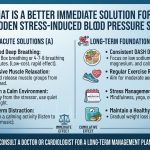
- Extended Exhalations: Spending 5 minutes breathing in for a count of 4 and exhaling for a count of 8 instantly shifts the autonomic balance away from stress.
- Cold Face Immersion: Splashing ice-cold water on your face in the morning triggers the mammalian diving reflex, naturally lowering your pulse and stabilizing vascular tone.
10 Actionable Natural Heart Health Tips for Men Over Fifty
To transform this physiological knowledge into real-world protection, integrate these ten practical, heart-protective habits into your daily routine:
1. Track Your Waist-to-Height Ratio
Do not rely solely on the bathroom scale or BMI calculations. Visceral fat—the dangerous fat stored deep within the abdomen around your organs—is a major driver of cardiac inflammation. Keep your waist circumference (measured at the belly button) to less than half your height. If you are 6 feet tall (72 inches), your waist should ideally measure under 36 inches.
2. Incorporate a Daily 10-Minute Post-Meal Walk
Walking briskly for just 10 minutes immediately following your largest meal of the day acts as a natural blood sugar stabilizer. It forces your skeletal muscles to clear glucose from your blood, preventing the insulin surges that damage your blood vessels.
3. Transition from Coffee to Hibiscus or Green Tea in the Afternoon
While morning coffee offers great antioxidant benefits, afternoon caffeine can stay in your system for up to 8 hours, disrupting your deep sleep cycles. Switch to hibiscus tea in the afternoon; it is rich in anthocyanins and has been shown in clinical settings to support healthy, balanced blood pressure.
4. Prioritize Regular Saunas and Heat Exposure
Four sessions per week in a traditional sauna (at roughly 174°F / 79°C for 20 minutes) has been shown to significantly support cardiovascular longevity. The intense heat mimics low-intensity exercise, causing blood vessels to dilate, improving endothelial flexibility, and triggering the release of heat shock proteins that protect cellular structure.
5. Supplement with a High-Quality Magnesium Form
Magnesium is a critical mineral for heart health, yet over half of all men over fifty are deficient. It helps regulate heart rhythms and relaxes vascular smooth muscle cells. Focus on highly bioavailable forms such as Magnesium Glycinate or Magnesium Malate, and load up on magnesium-rich foods like pumpkin seeds, dark chocolate, and almonds.
6. Practice the “Screen Sunset” at 8:30 PM
Blue light from smartphones, computers, and televisions suppresses the brain’s production of melatonin. Melatonin is not just a sleep hormone; it acts as a potent mitochondrial antioxidant that shields your heart cells from oxidative damage overnight. Turn off electronic screens at least 90 minutes before bed.
7. Get Evaluated for Sleep Apnea if You Snore
If you snore loudly, wake up gasping for air, or feel exhausted despite spending 8 hours in bed, seek a professional sleep evaluation. Obstructive Sleep Apnea causes oxygen saturation levels to drop repeatedly throughout the night, placing immense mechanical and hypoxic strain on your heart valves and muscle tissue.
8. Use Extra Virgin Olive Oil Exclusively for Low-Heat Cooking and Dressing
Make extra virgin olive oil your primary dietary fat source. Avoid using it for high-heat frying, which can damage its delicate polyphenols. Instead, use it generously over salads, steamed vegetables, and cooked proteins to coat your blood vessels in protective, anti-inflammatory compounds.
9. Monitor Your Fasting Insulin and ApoB Levels
When getting your annual blood work done, look beyond standard total cholesterol numbers. Ask your healthcare provider to test your Fasting Insulin (an early warning sign of metabolic dysfunction) and Apolipoprotein B (ApoB). ApoB measures the exact number of atherogenic, plaque-causing particles in your blood, providing a far more accurate assessment of your actual cardiovascular risk profile.
10. Cultivate Deep Social Connections
Chronic loneliness and isolation trigger the same physiological stress pathways as chronic physical danger, increasing systemic cortisol production. Make time for face-to-face social connections—whether through a local community group, a fitness club, or regular dinners with friends. Positive social interactions release oxytocin, a hormone that encourages blood vessels to dilate and promotes tissue repair throughout the cardiovascular system.
10 Frequently Asked Questions (FAQ)
1. Is it safe to start a new exercise routine after fifty if I have been sedentary for years?
Yes, but you must start gradually. Begin with low-intensity walking and basic bodyweight movements. It is highly recommended to get medical clearance from a physician or cardiologist first, particularly if you have a family history of heart disease or experience any chest tightness during exertion.
2. Can natural lifestyle changes really reverse existing arterial plaque?
While hard, calcified plaque is generally permanent, aggressive natural interventions—such as adopting a strict low-glycemic, anti-inflammatory diet, optimizing your lipid profiles, and lowering systemic inflammation—can stabilize and reduce the volume of dangerous, soft, vulnerable plaque, significantly reducing the risk of a future cardiovascular event.
3. Why is my blood pressure rising even though my weight and diet haven’t changed?
This is often driven by the natural, age-related decline in endothelial function and nitric oxide production, which causes the arteries to lose their elasticity. Focus heavily on consuming nitrate-rich foods (like beets and arugula) and engaging in consistent aerobic exercise to help restore vascular flexibility.
4. Are eggs safe for men over fifty, or do they raise cholesterol too much?
For the vast majority of men, dietary cholesterol has a minimal impact on circulating blood cholesterol levels. Whole eggs from pasture-raised sources are rich in choline, lutein, and healthy fats. The real drivers of dangerous, oxidized cholesterol are refined sugars, processed carbohydrates, and industrial trans fats.
5. How does stress physically damage the heart if my diet is perfect?
Chronic psychological stress keeps the sympathetic nervous system activated, leading to a steady release of cortisol and adrenaline. These hormones narrow the blood vessels, elevate blood pressure, and increase systemic inflammation markers like C-reactive protein (CRP), which can damage the arterial lining regardless of what you eat.
6. What is the difference between a standard lipid panel and an ApoB test?
A standard lipid panel measures the total weight of cholesterol carried within your blood particles. An ApoB test measures the exact number of those particles. Because smaller, denser particles can easily penetrate the arterial wall and cause plaque buildup, knowing the particle count (ApoB) gives a much clearer picture of your actual cardiac risk.
7. Can taking a daily aspirin protect my heart naturally?
Aspirin is a medical drug, not a natural supplement. While it thin the blood and can prevent clots, long-term daily use carries a risk of gastrointestinal bleeding. Modern cardiologists generally recommend daily aspirin only for men who have already been diagnosed with established heart disease. Consult your doctor for personalized advice.
8. Are there specific natural supplements that can boost my nitric oxide levels?
Yes. Supplements containing L-Citrulline or concentrated Red Beetroot Powder are highly effective at supporting the body’s natural production of nitric oxide, helping to promote healthy blood pressure and vascular relaxation.
9. How many hours of sleep do I absolutely need to protect my cardiovascular system?
Most clinical research indicates that men over fifty need between 7 and 8 hours of high-quality, uninterrupted sleep per night. Sleeping less than 6 hours consistently is linked to a significant increase in calcium buildup within the coronary arteries.
10. Can reducing alcohol consumption improve my heart structure?
Absolutely. Heavy alcohol use acts as a direct toxin to the heart muscle, contributing to high blood pressure and an increased risk of arrhythmias like atrial fibrillation. Limiting or eliminating alcohol allows the heart muscle to recover its natural strength and electrical stability.
Conclusion
Preventing cardiovascular disease after the age of fifty is entirely within your control. It requires shifting away from the idea that heart health is defined solely by a single lab value or prescription pill, and embracing the understanding that your heart is the center of an interconnected network of blood vessels, hormones, and metabolic processes.


